How Romarheim and Rivenes keep track of the work on Sotrasambandet

Customer story · Romarheim and Rivenes
60 to 70
workers on site every day, around the clock
approx. NOK 540m
in contracts, split 50/50 between the owners
2027
the contracts run until autumn
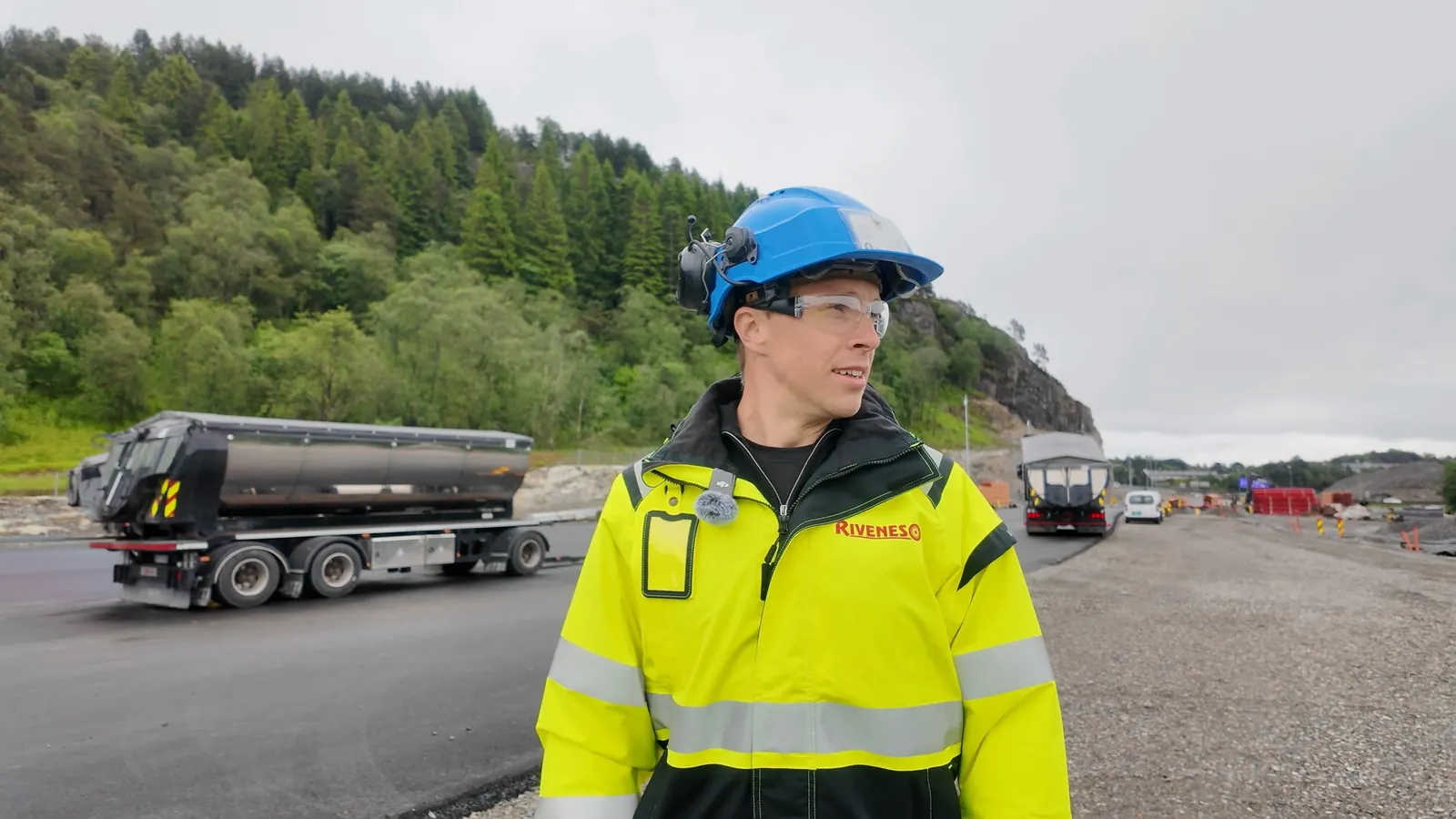
On Sotrasambandet, Romarheim & Rivenes AS has around 60 to 70 workers on site every day, around the clock. When the work takes place in several locations and at different times, it is demanding to keep track of what is being done.
For site manager Bengt Rivenes, good documentation from the field has become essential for following up progress, handling extra work and securing a reliable basis for invoicing.
With Ditio, hours, extra work, transport, checklists and deviations are registered in one system. That gives project management control of documentation and progress, an overview from the office and hours the client can trust.
Romarheim & Rivenes AS, owned 50/50 by Romarheim Entreprenør AS and Rivenes AS, carries out extensive groundwork on Sotrasambandet (Rv. 555) for the main contractor Sotra Link Construction.
Romarheim and Rivenes on Sotrasambandet
Rv. 555 Sotrasambandet is one of Norway’s largest transport projects. The development covers 9.4 kilometres of four-lane road between Bergen and Øygarden, four tunnels and a new suspension bridge of around 900 metres. The Norwegian Public Roads Administration is the client, while Sotra Link AS is responsible for construction, operation and maintenance through a public-private partnership (PPP) agreement.
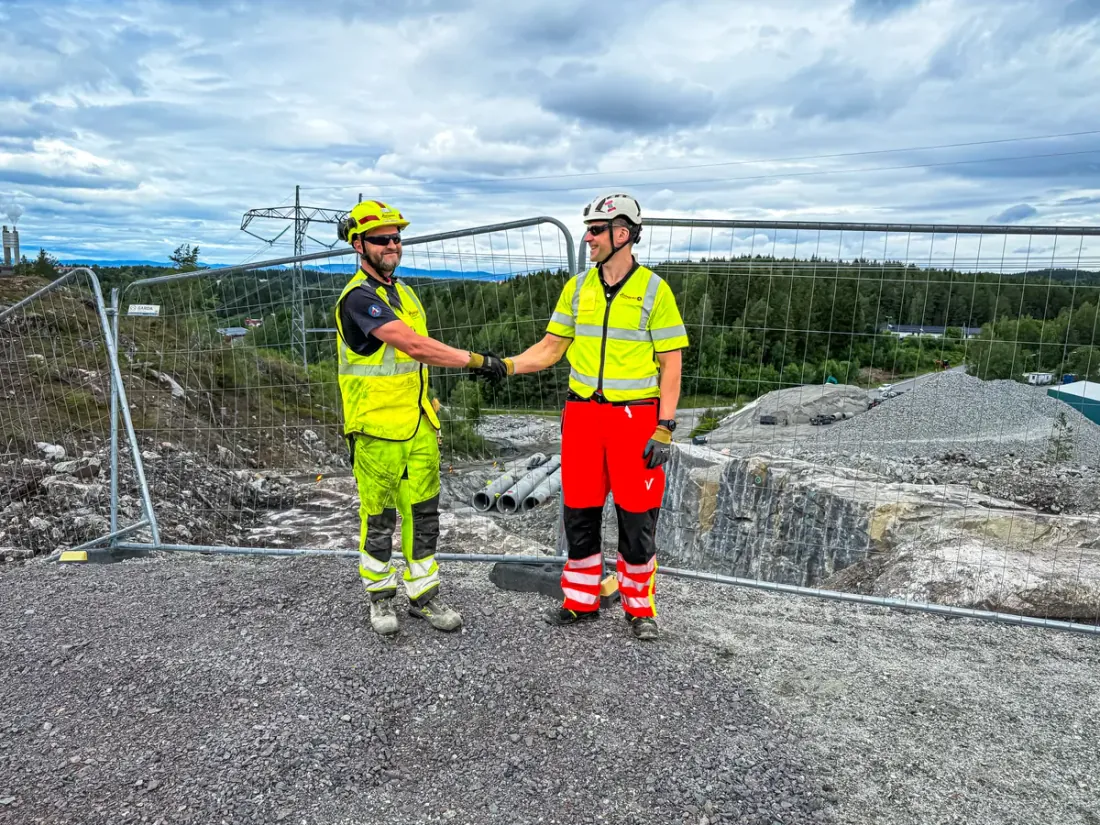
Romarheim Entreprenør AS and Rivenes AS have established the joint venture Romarheim & Rivenes AS for the work on Sotrasambandet. The companies have been involved since autumn 2023.
In autumn 2025 they entered into two new contracts with the main contractor Sotra Link Construction, with a combined value of around NOK 540 million. The largest contract, worth NOK 450 million excl. VAT, covers groundwork at the traffic interchange at Storavatnet. It is the largest single contract in the history of both companies. The other contract, worth around NOK 90 million, covers installation work in the Drotningsvik tunnel. The work is planned to continue until autumn 2027.
With extensive construction work and many people involved, there are high demands on coordination, documentation and progress.
On the contracts, Ditio Core is used for time registration, work orders, documentation, checklists and deviation handling. Ditio Flow is used for logging bulk transport.
Together, the solutions give project management access to information about both completed work and transport activity.
From the site to the office: control of the work around the clock
“It is by far the biggest project, both for us and for Romarheim. For our part, it is an enormous project”, says Bengt Rivenes.
With 60 to 70 people at work every day and activity throughout the day and night, there is a lot to follow up. For Bengt, documentation and progress are especially important.
“Some of our biggest challenges are keeping control of the documentation of what gets done, making sure things are done right, and keeping progress on schedule”, he says.
Bengt has main responsibility for the dialogue with Sotra Link Construction, while two foremen lead the daily operations on site. As the project has grown, his working day has changed too.
“In the beginning I was out on site more myself. Over time the contracts have become so extensive that it is no longer possible to follow up everything while being operational yourself.”
Today he spends more time on coordination and follow-up from the office.
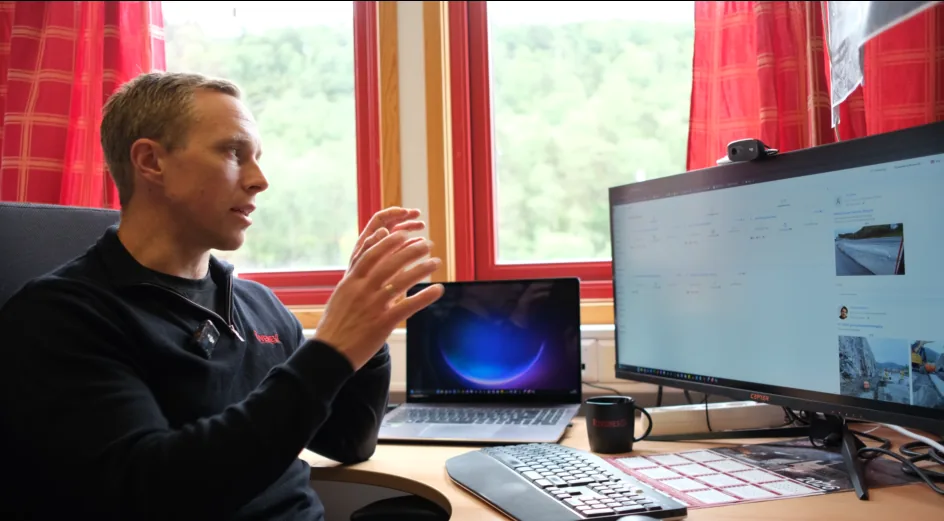
“Perhaps the most important part of my job is following up with Sotra Link and making sure all clarifications are in place, so that we can actually produce on site”, says Bengt.
At the same time he needs an overview of what is happening on site, even when he is not there himself. This is where the information registered in Ditio plays an important role. With continuous updates from the field, Bengt can follow the work from the office without having to contact the staff to find out what has been done.
An updated overview of the work, around the clock
With activity on site throughout the day and night, Bengt likes to start the day by going through the feed in Ditio. Here he sees what has been done and can follow up on whether the work is going as planned.
The employees register hours, photos and comments as they go. This gives Bengt and the rest of the project management an overview of the activity on site, without having to call for updates.
“We get photos and comments as the work goes on, so we in the office can follow what is happening on site and avoid a lot of phone calls and unnecessary nagging of the people who are working. That way they can concentrate on their job”, says Bengt.
Everyone working on the contracts, from both Romarheim and Rivenes, uses Ditio to register and document the work.
“Everyone engaged on the contracts uses Ditio for documentation of all hours, with comments, photos, transport logging, checklists, deviations and so on. Together with drone photos, drone scans and traditional surveying, this helps document exactly what has been done at any given time”, explains Bengt.
The continuous documentation gives not only a better overview of progress. It also becomes important when completed work is to be documented and the hours approved.
Read also
How Romarheim saves working hours with Ditio and Infrakit
See how Romarheim connects planned and completed work on Sotrasambandet.
From completed work to a more reliable basis for invoicing
Previously, extra work could be registered with a general description and a short comment. That gave limited information about what had actually been done.
Now extra work is registered on separate work orders in Ditio. The employees log hours and attach photos and comments along the way. The photos are timestamped and, together with the time registration and the comments, provide a better basis for documenting what has been done and how long the work has taken.
That gives project management a better basis for checking the hours before they are sent for approval by the client.
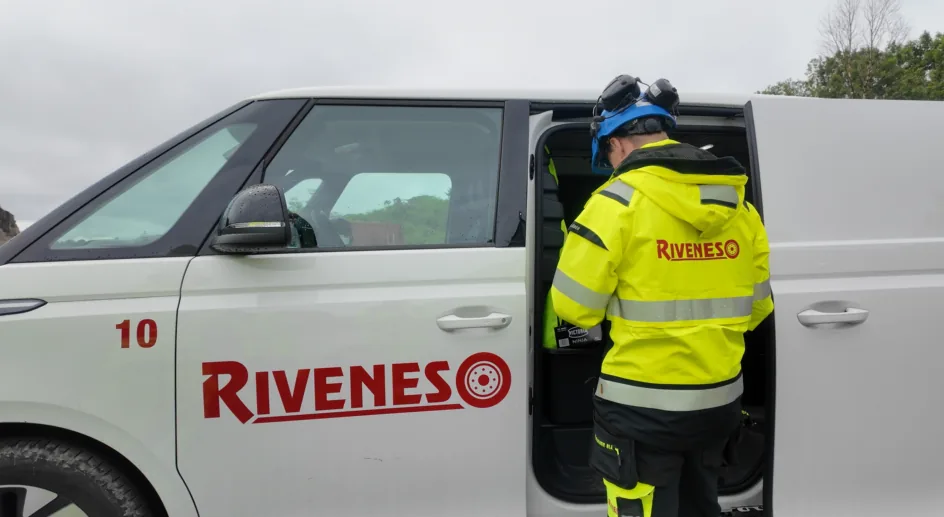
For Bengt this is also about trust between contractor and client. When the hours are documented with photos and descriptions of the work, it becomes easier for both parties to check the basis.
“We become much more confident about the hours we send to the client for approval, and they can be much more confident that what they approve are the actual hours we have worked. It creates much more mutual trust”, stresses Bengt.
HSE and quality are followed up while the work is under way
Kasper Håland is a project engineer at Romarheim and is responsible for HSE and quality on Sotrasambandet for Romarheim & Rivenes AS.
An important part of the job is following up incident reports (RUH), checklists and deviations that need to be handled.
With Ditio, the registrations from the field come together in one system. The employees can report incidents and fill in checklists directly in the app. Kasper gets notifications about new registrations and can follow up the deviations until they are handled.
For Kasper it is especially valuable that the information becomes available as it happens, without having to wait for reporting at the end of the working day.
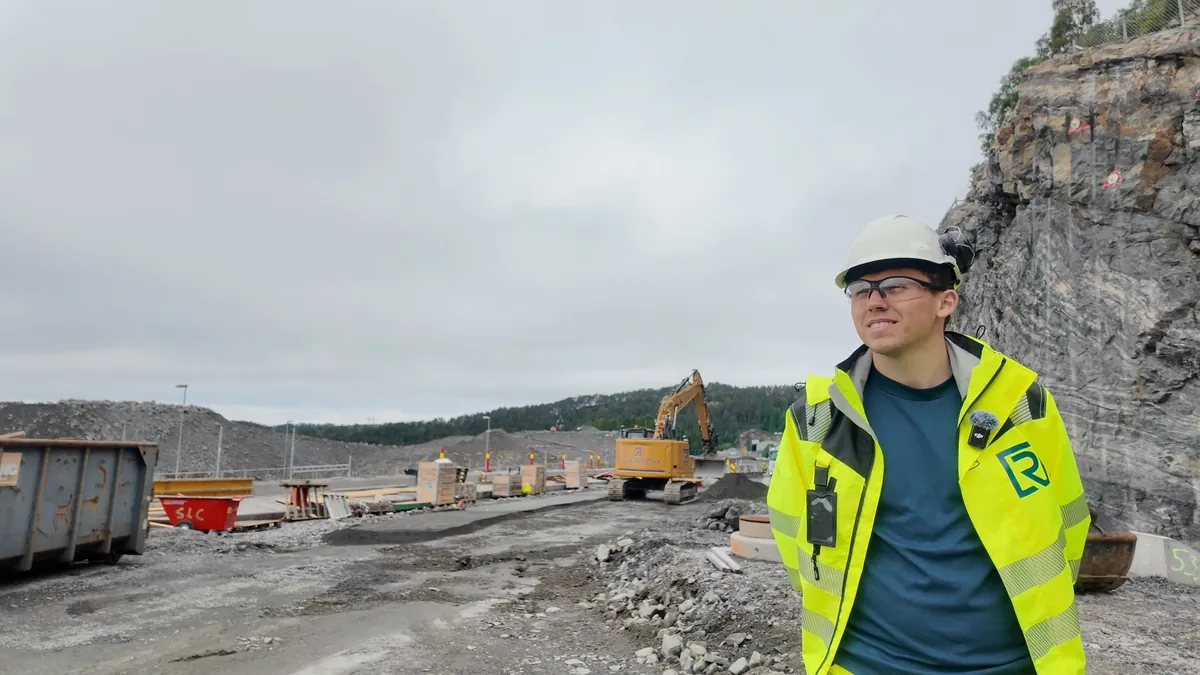
He also highlights how quickly he gets an overview of what is happening on site.
“I can see what was done ten minutes ago. I do not have to wait until they are finished for the day.”
That allows Kasper to follow up HSE and quality while the work is under way, and to take hold of matters that require follow-up.
Better documentation gives better control
For Bengt Rivenes, it is the quality of the documentation that makes the biggest difference.
When information is registered continuously out on site, he has an up-to-date basis for following up the work, checking hours and handling clarifications with the client.
At the same time, he can follow several projects without having to be physically present at each one.
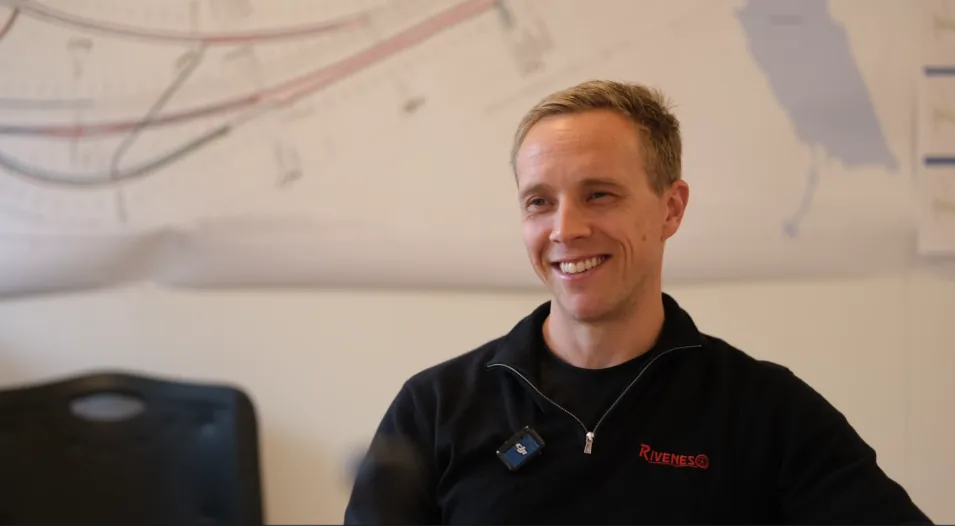
Better documentation starts in the field
With Ditio Core, hours, photos, work orders and deviations are registered where the work is carried out. That gives project management an up-to-date basis for following up the work, checking hours and spotting deviations earlier.
Frequently asked questions about Romarheim, Rivenes and Ditio
What is Romarheim & Rivenes AS?
Romarheim & Rivenes AS is a joint venture owned 50/50 by Romarheim Entreprenør AS and Rivenes AS, set up for Sotra Link. The joint venture carries out groundwork and installations in the Drotningsvik tunnel for Sotra Link Construction on Rv. 555 Sotrasambandet, with contracts including a main contract of NOK 450 million and a tunnel contract of around NOK 90 million. It is the largest project either company has ever had.
How does a site manager keep control of a large construction project?
By following the work in the feed in Ditio, where photos and comments come in as the work happens. On Sotra Link, Bengt Rivenes has around 60 to 70 workers on site every day, around the clock. He starts the day in the feed to see what has been done and that what was planned has actually happened, while two foremen from Rivenes run operations on site. That gives him time to follow up clarifications with Sotra Link Construction, so the crew can produce without waiting.
What does the job Romarheim and Rivenes carry out on Sotrasambandet cover?
All the groundwork around the traffic interchange at Storavatnet and Askøy junction in Bergen, on both national road 555 and county road 562, plus a new bus terminal, new side roads and finishing work in the Drotningsvik tunnel. The joint venture has worked on Sotrasambandet since autumn 2023, and the two new contracts from autumn 2025 run until autumn 2027.
How do Romarheim and Rivenes document extra work?
With extra-work orders in Ditio. Those who carry out the job log hours and submit comments and photos along the way, and the photos are timestamped. That makes it easier to document how long the work took.
Which parts of Ditio do Romarheim and Rivenes use?
They use all the functions in Ditio, including Flow. On Sotra Link they follow hours, extra work, photos and comments as they come in, in the feed.
How do they report deviations and incidents (RUH) on site?
Those who work on site submit incident reports (RUH) and deviations directly from the Ditio app, in a separate notifications tab. They are already checked in to the project through time tracking, so the report goes straight to the right project and the right person. The person responsible for HSE and quality follows up, and the notification is closed in Ditio once the deviation has been handled.
Related articles