How Abora Prosjekt saves more than 1,000 working hours a year with Ditio

Customer Story · Abora Prosjekt
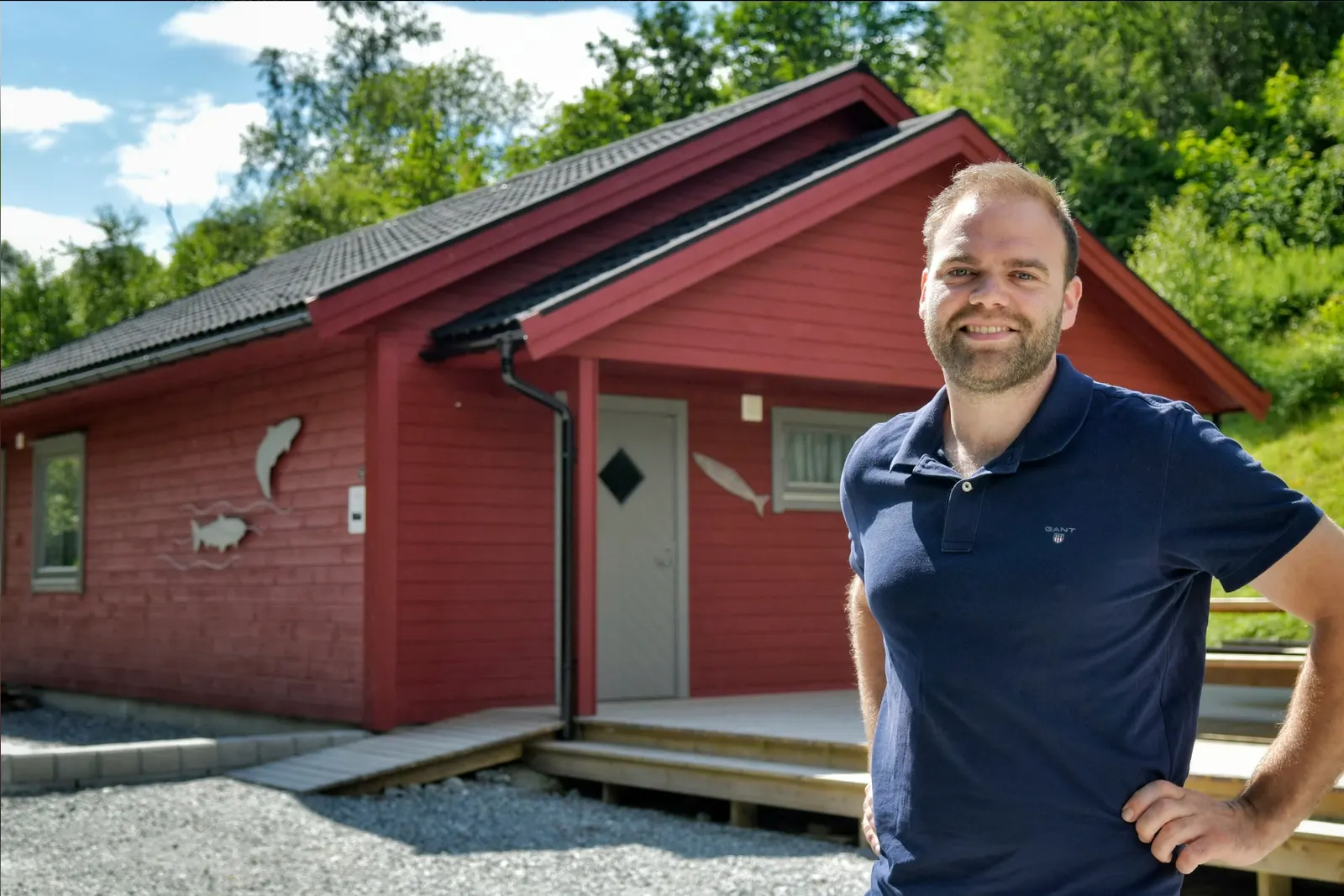
With around 30 employees and many building projects, Abora Prosjekt saves considerable time on time tracking, documentation and invoicing. After ten years with Ditio, managing director Anders Bruvik believes the system gives the company a competitive advantage.
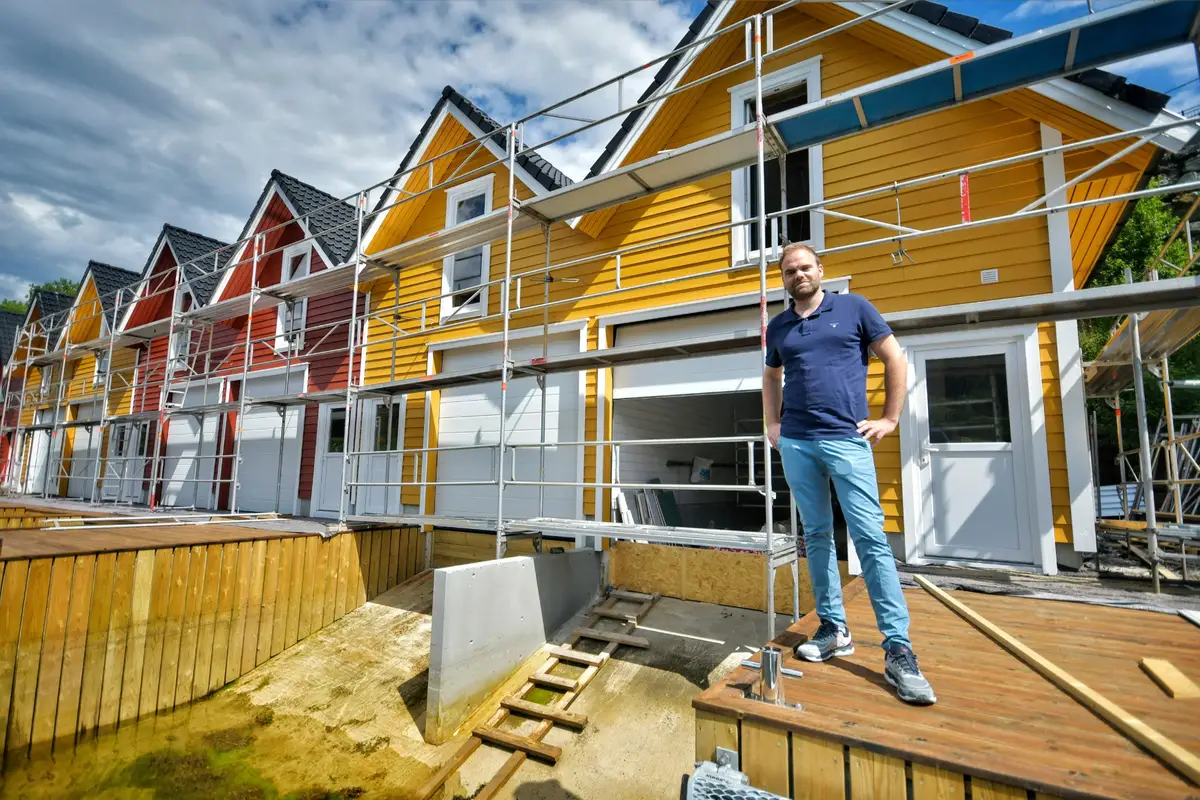
Abora Prosjekt AS is a master builder firm in Arnatveit outside Bergen, Norway. The company carries out new builds, renovation and restoration, mainly for professional clients. With many employees out on different building projects, it is important to keep track of hours, costs and documentation. Since 2016, Ditio has been a central part of how Abora follows up the work.
Abora was founded in 2000 and had a turnover of NOK 55.5 million in 2025. The company mainly carries out renovation work for professional clients, including framework agreements with larger public bodies. Many of its customers have been with it since the start.
Almost ten years of better oversight
Abora Prosjekt started using Ditio as early as 2016. Since then, the solution has become a fixed part of the working day.
The need has been the same all along. Abora wants an overview of what has been done, where the time has gone and the documentation that belongs to the work. That is why employees log hours, photos and HSE documentation in Ditio as they go. It gives project management an up-to-date picture of the work on the building sites, without having to gather the information afterwards.
From handwritten timesheets to full traceability
After almost ten years with Ditio, it is only when Bruvik looks back at how they used to work that the difference becomes clear.

”I look back on that time with horror. If you dig out projects from before we started using Ditio, there is hardly a single photo of the project, and no proper record of how long we spent or what we did. Ditio has solved that for us. It is traceability, control and documentation. Absolutely lovely.”
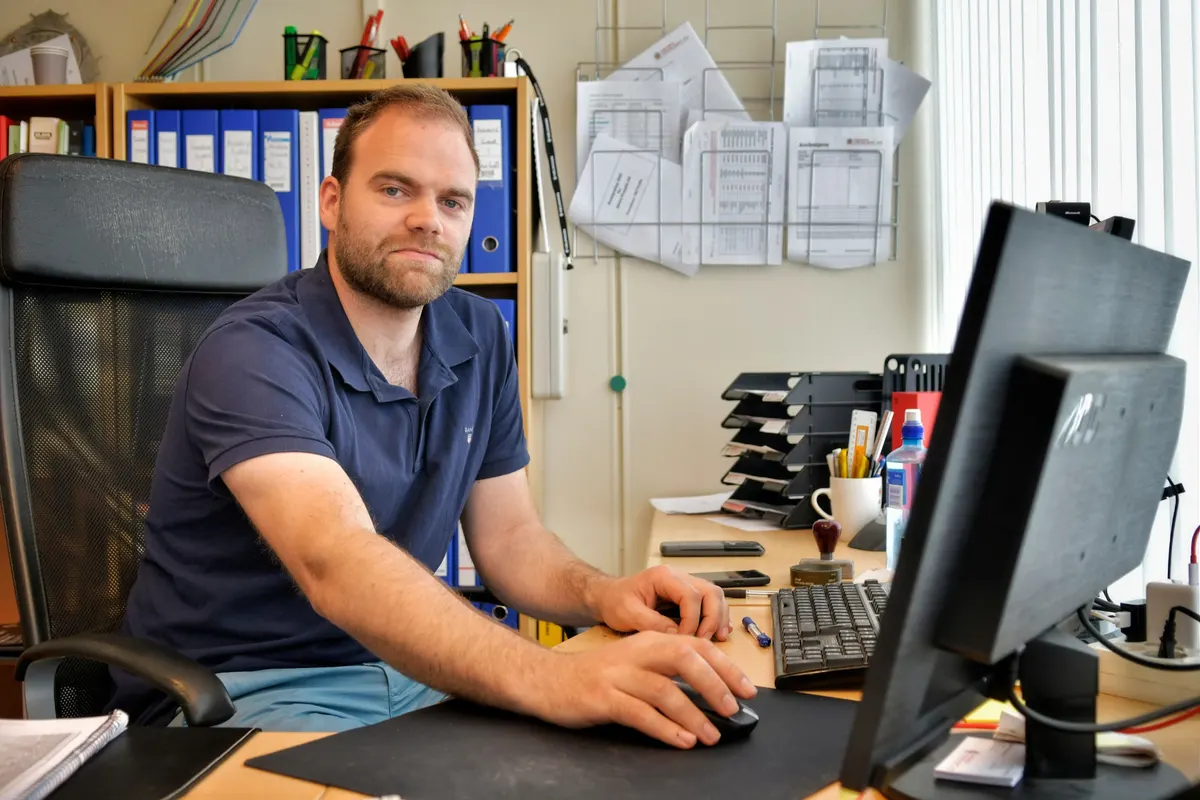
The biggest difference is time. Timesheets used to be written by hand and checked manually. Bruvik estimates that the office saves a couple of working days a month on payroll, hours, reporting and invoicing, as well as checking registered hours.
On the building sites, he estimates the saving at around one hour per employee per week. With around 30 employees, that quickly adds up to 30 hours a week. Over a working year, that is a rough estimate of more than 1,000 hours saved.
1,000+ hours
saved a year on the building sites
Rough estimate: around one hour per employee per week, with around 30 employees.
Control of hours and additional work
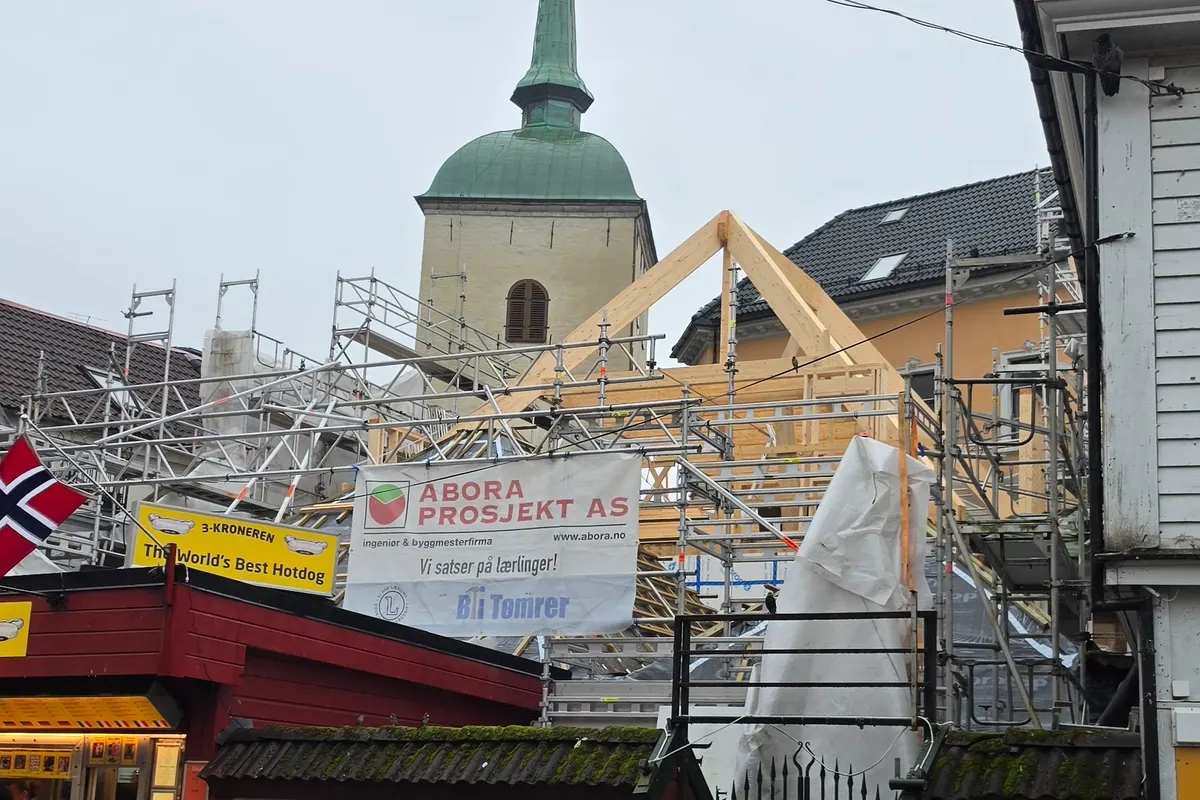
The modules in Ditio are connected to Abora Prosjekt’s accounting system. That makes it easy to compare payroll costs in the accounts with the hours actually spent on site.
Because hours are logged in real time per task and per project, project managers can see exactly how many hours a given task has taken. That gives control during the project, not only when it is time for the final invoice.
This is particularly useful when additional work comes up during the project. The extra work is then registered separately, with hours linked to the task in question. Abora thereby gets a clear record of what has been done and how much time has been spent, which makes it easier to document the work to the client and invoice correctly.
Reliable timesheet reports
The reports generated in Ditio, which Abora sends to clients and partners, are highly credible and reliable. Bruvik says they get little feedback on them, and that in itself is a good sign: on this particular point, no news is good news.
”We have yet to meet anyone who doesn’t believe the reports we send out with our timesheets. They look professional, and they are detailed enough that there is rarely any discussion about the basis.”
For a main contractor working with framework agreements and public clients, that is valuable. Discussions about hours take time and wear on the relationship. When the documentation holds up, the final settlement is easier for both parties.
Want timesheet reports your clients trust too?
See how real-time time tracking works in Ditio Core.
Site photos and incident reports in ten seconds
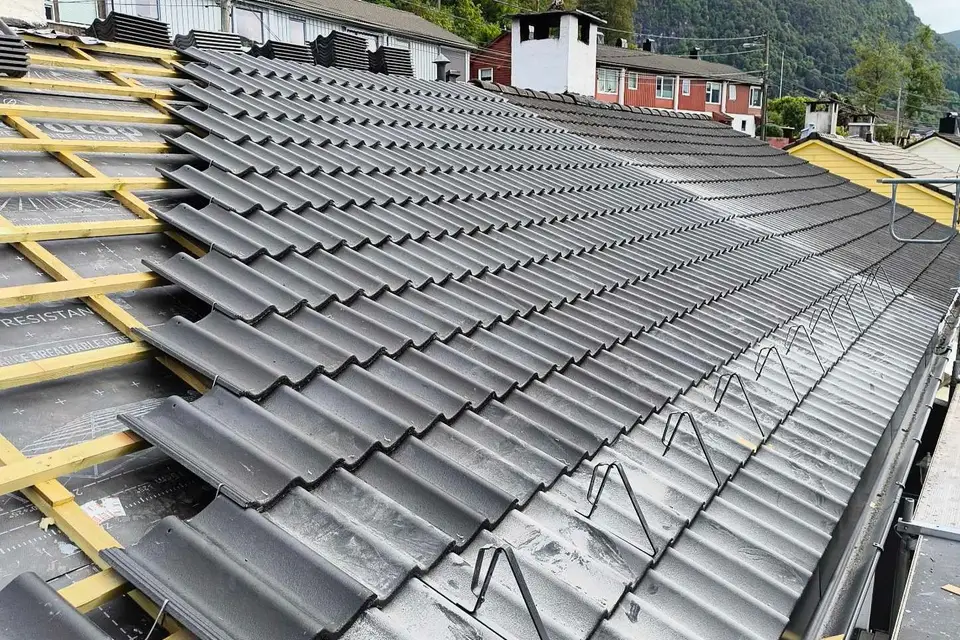
Ask Abora’s employees which feature they value most, and Bruvik thinks the answer is the photos. Photos are taken and linked to the project directly from the app, so documentation from the site ends up in the right place straight away.
Ditio has also made a difference in HSE work. Abora’s carpenters praise how easy it is to submit a report of an undesired incident, and the number of reports submitted has grown in recent years. It used to be complicated and time-consuming, so the threshold was too high. Now a report takes around ten seconds.
More reported incidents give a better basis for preventing injuries, which is exactly what incident reporting is meant to achieve.
Real-time time tracking gives Abora a competitive edge
What Bruvik highlights as the most important difference is live logging. Employees have to log their hours while they work, not afterwards. After many years in the industry, he knows that many other systems allow hours to be entered after the fact, and that weakens the documentation.
Bruvik finds that the way Abora documents hours and completed work sets the company apart from many others in the building industry. Most competitors use other systems, and Bruvik believes Ditio is clearly better. That gives Abora a head start when documenting its work to clients.
So what does he say when asked whether he would recommend Ditio to others in the industry? The answer comes with a smile.
Maybe I don’t really want to recommend Ditio to anyone else in the building industry. Then we at Abora Prosjekt would lose a significant advantage.
He says it with a broad smile and a hearty laugh.
Frequently asked questions
How long has Abora Prosjekt used Ditio?
Abora Prosjekt has used Ditio since 2016, almost ten years. The company uses Ditio Core for real-time time tracking, photos from the site, incident reporting and timesheet reports for clients.
How much time does Abora Prosjekt save with Ditio?
Managing director Anders Bruvik estimates that the office saves a couple of working days a month on payroll, hours, reporting and invoicing. On site he reckons on about one hour per employee per week. With around 30 employees, that is a rough estimate of more than 1,000 hours a year.
Why do clients trust Abora’s timesheet reports?
Hours are logged in real time while the work is being done, per task and per project, not afterwards. The reports from Ditio are detailed and accurate, and according to Bruvik no client has disputed them.
How does Abora handle additional work?
Additional work is registered separately in Ditio, with hours linked to the task in question. This gives Abora a clear record of what has been done and how much time has been spent, making it easier to document the work to the client and invoice correctly.
How do Abora’s employees report undesired incidents?
Employees submit incident reports directly from the Ditio app. A report takes around ten seconds, and the number of reports submitted has increased in recent years.
Read also